Iran–US Talks End Without Agreement; Global Hopes Fade

Voice of People, London Report | 12 April
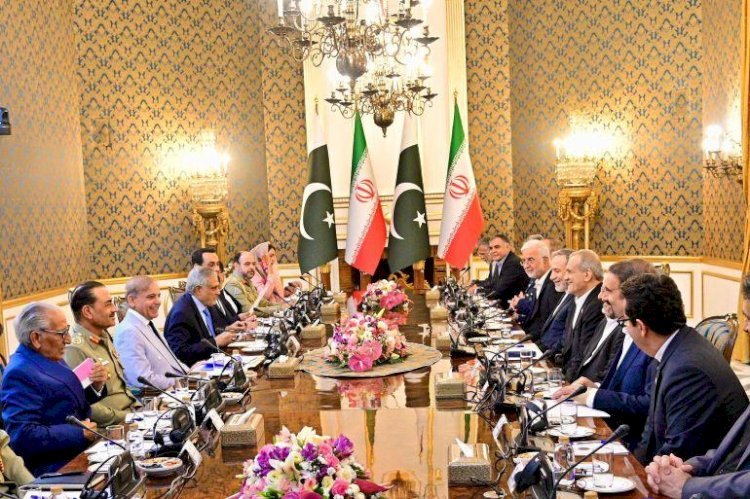
After 21 hours of intense negotiations in Islamabad, the United States and Iran failed to reach any agreement. What began with high expectations ended in renewed disappointment for the global community. Instead of easing tensions in the Middle East, the talks have deepened uncertainty.
Following the discussions, U.S. Vice President JD Vance stated clearly that Washington had presented its position, but Tehran did not accept the conditions. The most contentious issue remained Iran’s nuclear programme. The United States demanded a clear commitment that Iran would never develop nuclear weapons. Tehran, however, rejected such conditions as unilateral and unreasonable.
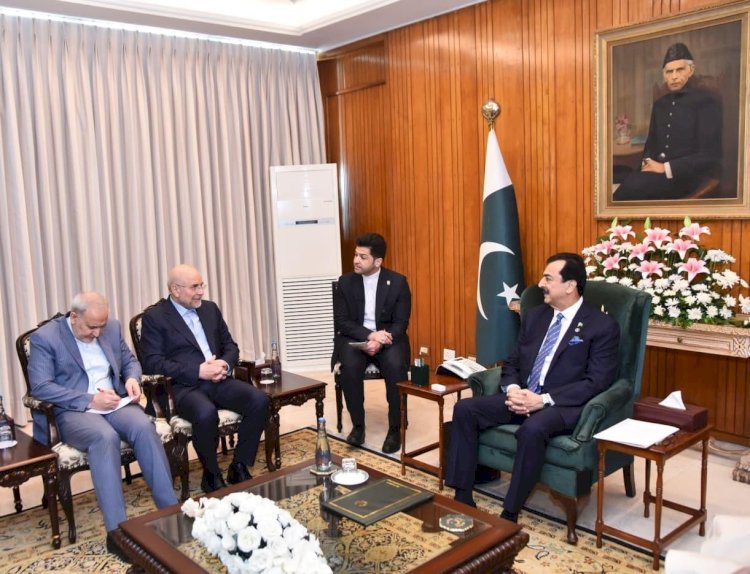
International expectations had been high ahead of the meeting. After years of hostility, the fact that both sides sat at the negotiating table was seen as a significant breakthrough. Yet it quickly became evident that physical engagement alone was not enough—the trust deficit between the two countries remains so deep that meaningful compromise proved difficult.
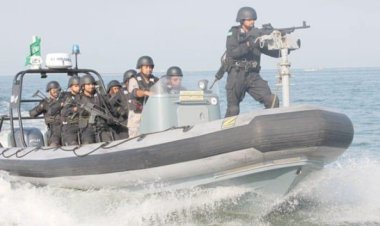
Shortly after the talks collapsed, tensions escalated in the Strait of Hormuz region. According to the Pentagon, two U.S. warships entered the area with the objective of clearing mines allegedly laid by Iran. Iranian forces reportedly issued warnings, after which the U.S. vessels withdrew. Tehran, however, has completely denied the incident.
At the same time, three supertankers safely crossed the Strait of Hormuz, suggesting that Iran may be showing some flexibility regarding commercial shipping. Analysts interpret this as a strategic balancing act—maintaining pressure while also considering economic realities.
Key issues discussed included Iran’s nuclear programme, sanctions relief, regional security, and ongoing conflicts. However, the positions of both sides remained so divergent that a single round of talks could not bridge the gap.
The U.S. delegation departed Islamabad quickly after the meeting, a move widely interpreted in diplomatic terms as a sign of deadlock. Nevertheless, the door to dialogue has not been fully closed. Future talks remain possible, though their timing and outcome are uncertain.
The entire episode underscores a critical reality: dialogue alone is not enough—trust and a willingness to compromise are essential for any agreement. That is precisely where the greatest deficit remains.
After 21 hours of negotiations, no formal agreement was signed. More importantly, the fragile hope for peace that had emerged in global expectations has once again been shaken. The shadow of conflict has not lifted; instead, it appears to have deepened.

What Next After the Failed Talks?
Following the breakdown of the U.S.–Iran peace talks in Islamabad, the Middle East has once again entered a phase of heightened uncertainty. After the 21-hour-long meeting ended without results, Iran made it clear that it currently has no plan for further peace negotiations with the United States. While diplomatic channels remain partially open, the reality on the ground suggests that the divide has not narrowed—it has widened.
U.S. Vice President JD Vance left Islamabad on Sunday morning. He stated that the United States had presented its “final and best offer,” but Iran refused to accept it. According to him, major differences remained unresolved, particularly regarding Iran’s nuclear programme and the absence of long-term guarantees.
Iranian Foreign Ministry spokesperson Esmail Baghaei said the atmosphere of the talks was marked by deep mistrust. However, he also noted that limited progress had been made and emphasized that diplomacy is never entirely over. Media close to Iran’s Supreme National Security Council reported that the time, location, and structure of any future talks have not yet been decided.
Iranian Parliament Speaker Mohammad Baqer Ghalibaf directly accused the United States of failing to win Tehran’s trust, highlighting that the crisis is not only political but rooted in a profound lack of confidence.
Iran’s First Vice President Reza Aref stated that Tehran’s key demands included recognition of Iran’s control over the Strait of Hormuz and compensation for damages caused by alleged U.S. and Israeli attacks. He insisted these were “legitimate rights of the Iranian people” and non-negotiable.
Meanwhile, Deputy Speaker of Iran’s Parliament Haji Babaei claimed that the Strait of Hormuz is fully under Iranian control and is not subject to negotiation. He added that a large majority of lawmakers support this position and that Iran will not make any concessions.
Tensions in the Middle East are not limited to diplomacy. In southern Lebanon, new airstrikes were carried out by Israel under the leadership of Benjamin Netanyahu. At the same time, humanitarian concerns are rising globally.

The spiritual leader of Catholics, Pope Leo XIV, expressed solidarity with the people of Lebanon, stating that protecting civilians from the horrors of war is both an international and moral responsibility. He called for a peaceful resolution to the ongoing conflict.
UK Prime Minister Keir Starmer also warned that the United States, Israel, and Iran must avoid further escalation. In talks with the Sultan of Oman, he stressed the importance of maintaining a ceasefire and prioritising diplomatic solutions.
Meanwhile, diplomatic tensions have risen between Turkey and Israel following remarks by Israeli Prime Minister Netanyahu, which Turkish officials described as provocative and damaging to peace efforts.
In Iran, an internet shutdown has now lasted 44 days, significantly affecting information flow and the economy. International observers describe it as one of the longest internet blackouts in the modern world.
Overall, the failure of the Islamabad talks has made one thing clear: the conflict is no longer limited to military dimensions—it has become deeply complex, involving diplomacy, economics, and regional power struggles.
The 21-hour meeting is over, delegations have returned home, statements have been issued—but the faint hope of peace that briefly emerged in the world’s imagination has once again dimmed. The question now is: will the situation deteriorate further before the next round of talks even begins?