ভয়েস অব পিপল ।। জনগণের কণ্ঠস্বর, বাস্তবতার প্রতিচ্ছবি
Intense Heat Sparks London Bus Drivers’ Strike

Voice of People Report, August 16:
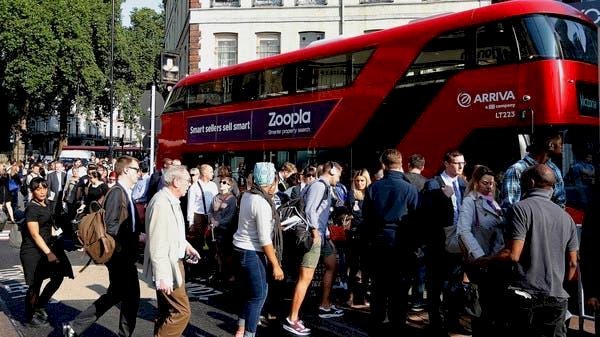
More than 1,500 bus drivers have gone on strike in London in protest against unbearable working conditions caused by intense heat. Members of the Unite union working at eight garages operated by Arriva North London are taking part in the action. They complain that during heatwaves, temperatures inside bus driver cabins are rising above 40°C. In some cases, temperatures have reached as high as 44°C.
The drivers claim that most buses are equipped with air-cooling systems rather than effective air conditioning, which can reduce the cabin temperature by only 2 to 3°C during extreme heat. As a result, the risk of drivers becoming ill while driving buses for long periods in hot conditions is increasing.
The Unite union alleges that although drivers have complained about hot working conditions for a long time, Arriva North London has not taken adequate measures. The union says the situation is putting drivers at risk of heat exhaustion, heatstroke and dehydration. Excessive heat can also cause fatigue and drowsiness, potentially increasing the risk of bus accidents.
26-Day Strike Schedule
The drivers’ strike began on August 14 and will continue until October. A total of 26 days of industrial action have been announced in 11 rounds. Each round will run from 4:00 a.m. until 4:30 a.m. on the scheduled end date.
| Round | Strike Dates | Time |
|---|---|---|
| 1st | August 14–15 | 4:00 a.m. August 14 – 4:30 a.m. August 15 |
| 2nd | August 18–21 | 4:00 a.m. August 18 – 4:30 a.m. August 21 |
| 3rd | August 25–28 | 4:00 a.m. August 25 – 4:30 a.m. August 28 |
| 4th | September 4–5 | 4:00 a.m. September 4 – 4:30 a.m. September 5 |
| 5th | September 7–8 | 4:00 a.m. September 7 – 4:30 a.m. September 8 |
| 6th | September 18–19 | 4:00 a.m. September 18 – 4:30 a.m. September 19 |
| 7th | September 21–22 | 4:00 a.m. September 21 – 4:30 a.m. September 22 |
| 8th | October 2–3 | 4:00 a.m. October 2 – 4:30 a.m. October 3 |
| 9th | October 5–6 | 4:00 a.m. October 5 – 4:30 a.m. October 6 |
| 10th | October 16–17 | 4:00 a.m. October 16 – 4:30 a.m. October 17 |
| 11th | October 19–20 | 4:00 a.m. October 19 – 4:30 a.m. October 20 |
Impact on More Than 40 Bus Routes
The strike is disrupting bus services across north, east and central London, as well as various areas of Essex. Around 40 bus routes are expected to be affected. These include regular bus services, as well as some night buses, school services and Superloop routes. Transport authorities have warned that on the affected days, there may be very limited or no bus services on the affected routes.
The drivers taking part in the strike work at Arriva North London’s eight garages in Barking, Edmonton, Enfield, Grays, Palmers Green, Stamford Hill, Tottenham and Wood Green.
Drivers’ Main Demand: Air Conditioning
The drivers’ main demand is effective air conditioning in bus driver cabins. They argue that just as passengers have the right to travel in a safe and tolerable environment, drivers also have the right to a safe working environment.
The drivers claim that several workers have fallen ill while working in excessive heat. There have also been reports of temperatures inside one driver’s cabin rising to as high as 44°C. Drivers have described the conditions as being as hot as a greenhouse.
Arriva, meanwhile, has said that it is continuing work to improve air-conditioning systems and introduce new buses.
Major Questions Over Worker Protection in Hot Weather
The London bus drivers’ action has also highlighted the issue of protecting workers from excessive heat in the workplace in Britain. As heatwaves become increasingly intense and prolonged, extreme heat is becoming a major workplace risk for workers in construction, transport, factories, delivery services and other sectors.
The 26-day strike by London bus drivers is therefore not simply a dispute between workers and a transport company. It has also raised questions about how prepared Britain’s workplace safety systems are for the new reality created by climate change.
Heat is no longer just a matter of weather; it is an important issue concerning workers’ safety, passengers’ safety and workplace rights.