ভয়েস অব পিপল ।। জনগণের কণ্ঠস্বর, বাস্তবতার প্রতিচ্ছবি
Echoes of The Times || 141।। The First Challenge for Britain’s New Chancellor: Repairing a Broken Tax System


Dedication:
To Britain’s new Chancellor — upon whose shoulders rests the greatest responsibility of establishing a fair and just tax system.

Britain’s new Chancellor faces one of the most difficult economic challenges of recent times. The priority is not simply about changing tax rates or announcing short-term relief; it is about repairing a tax system that many believe has become outdated, complicated and increasingly unfair.
The biggest problem facing Britain’s taxation system today is not only the amount of tax people pay, but the way the system operates. Over the years, it has gradually created a situation in which ordinary working people, particularly those on middle and lower incomes, feel increasing pressure, while questions remain about whether the wealthiest individuals and large corporations are contributing their fair share.
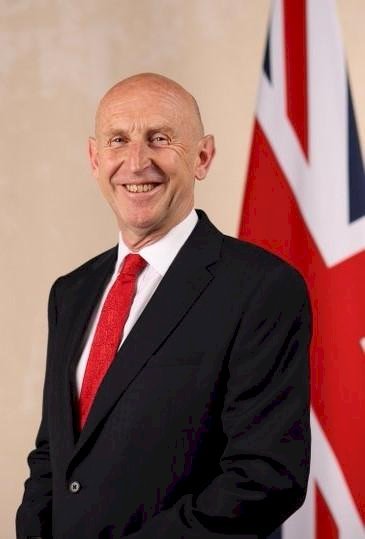
John Healey — Chancellor (অর্থমন্ত্রী)
One of the key issues is the freezing of the personal allowance threshold. As wages rise and inflation pushes incomes higher, more people are being pulled into higher tax brackets without necessarily becoming significantly wealthier. This process, often described as “fiscal drag”, has effectively increased the tax burden on millions of workers without the government having to raise tax rates formally.
For many families struggling with rising living costs, this feels like a hidden tax increase. A pay rise that should improve living standards can instead result in a larger proportion of income being taken through taxation.
The new Chancellor must therefore answer a fundamental question: should Britain continue with a system that gradually increases the burden on working people, or should it introduce a fairer and more sustainable approach?
However, reforming taxes is not a simple task. The government needs substantial revenue to fund essential public services, including the NHS, education, social security and infrastructure. At the same time, excessive taxation can discourage investment, reduce business confidence and limit economic growth.
A responsible tax policy requires balance. Cutting taxes may be politically attractive, but if it leads to weaker public services, ordinary citizens eventually pay the price in other ways. The real challenge is not simply reducing taxes, but creating a system that works fairly for both taxpayers and the wider economy.
Another major weakness of Britain’s tax system is its complexity. Thousands of rules, exemptions and special arrangements have made taxation difficult for ordinary citizens and small businesses to understand. A modern economy needs a tax system that is simpler, clearer and easier to navigate.
Trust is also at the heart of any successful tax system. People are more willing to pay their taxes when they believe everyone is contributing fairly. A nurse, teacher or small business owner who pays taxes every month wants to know that wealthy individuals and multinational companies are also meeting their responsibilities.
The new Chancellor should focus on several priorities. First, tax thresholds should be reviewed in line with economic realities. Second, stronger action should be taken against tax avoidance and loopholes that allow some people and companies to reduce their contributions unfairly. Third, small businesses should be supported through a simpler and more predictable tax structure. Finally, tax policy should be linked with long-term economic growth rather than short-term political goals.
Britain does not only need a cheaper tax system; it needs a fairer one. People want a system where hard work is rewarded, ambition is encouraged, and public services are protected.
For the new Chancellor, this is not just an economic challenge but a political test. Taxation affects almost every aspect of people’s lives — from household budgets and housing costs to children’s futures and retirement security.
Restoring confidence in Britain’s economy will require more than balancing the government’s accounts. It will require rebuilding public trust. The first step towards that goal is creating a tax system that is fair, modern and fit for the future.
The first job for Britain’s new Chancellor is therefore clear: not simply to collect taxes, but to fix a system that many believe is broken.
Author: An Editor, Columnist, Analyst, Storyteller, and Former Professor
London, 21 July, 2026