
Where the River Flows, History Comes Alive
Richmond on the James River — Where History Walks Alongside Nature

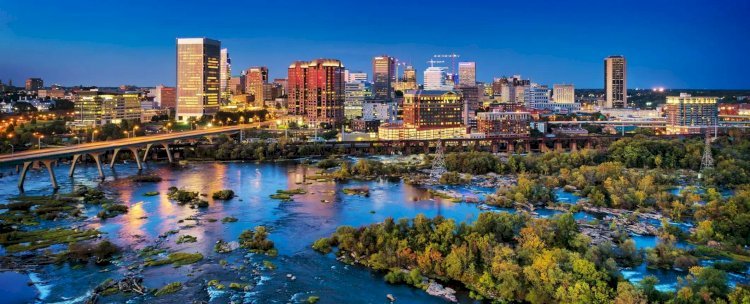
Voice of People’s Feature, 1 October: When you arrive in Richmond, Virginia, the first thing that catches your eye may not be a grand building—it may be the James River. Standing along its banks, you begin to feel that Richmond’s story really starts with the river.
Richmond is the capital of Virginia. The city began taking shape in 1737 and became Virginia’s capital in 1780, when the seat of government was moved from Williamsburg. Since then, Richmond has witnessed many important chapters in America’s political and military history.

Yet history does not make the city feel heavy. In fact, Richmond moves at its own natural pace. Historic brick buildings, old churches, and museums stand alongside flowing water, wooded areas, and walking trails. In Richmond, history and nature seem to walk side by side.
The James River gives Richmond much of its character. About 340 miles long, it is Virginia’s longest river. Around Richmond, parts of the river are calm while others rush over rocks and rapids. That makes it possible to enjoy kayaking, walking, biking, or simply sitting beside the water—all within the city itself.
In the middle of the river, Belle Isle feels like the city’s own green backyard. A pedestrian bridge takes you there, and once you cross it, the noise of the city seems to fade. Walking beneath the trees, listening to the river and watching the water move around the rocks can make you forget that you are still in the heart of a capital city. Belle Isle also carries a long history, including connections to Native American life, 19th-century industry, and the Civil War.
To understand Richmond’s history, a walk through its historic center is essential. Virginia State Capitol is one of the city’s most important landmarks. Designed by Thomas Jefferson with assistance from French architect Charles-Louis Clérisseau, the Capitol has played a central role in Virginia’s political history since the late 18th century.
Nearby stands St. John’s Church, where Patrick Henry delivered his famous 1775 speech calling for liberty. Centuries later, the site remains one of the places where visitors can feel the weight of the American Revolution.
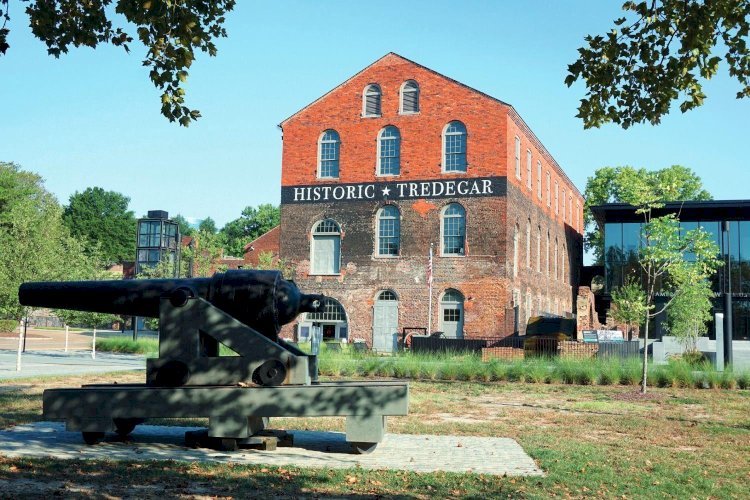
But Richmond’s history has another side that cannot be overlooked. Slavery, the lives and struggles of African Americans, and the Civil War are all deeply connected to the city’s past. Places such as the American Civil War Museum, Maggie L. Walker National Historic Site, and the Richmond Slave Trail help visitors understand those complicated chapters of American history.
After history, it is easy to return to nature. Maymont is one of Richmond’s most beautiful destinations, with gardens, walking paths, historic buildings and 100 acres of green space in the heart of the city. Its Italian and Japanese gardens and natural areas offer a completely different experience from the city’s historic streets.
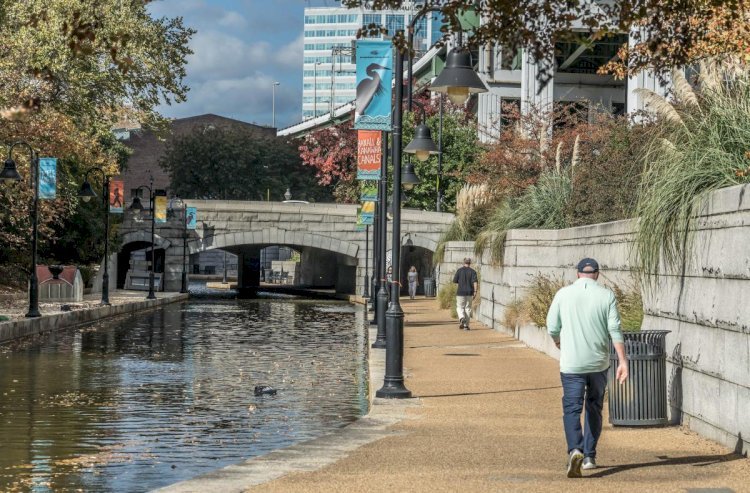
And toward the end of the day, a walk along the Canal Walk offers another way to experience Richmond. The 1.25-mile waterfront path follows the James River and historic canals, with markers and exhibits telling stories from four centuries of the city’s past.
Perhaps that is what makes Richmond so enjoyable to explore. You can be standing beside a river one moment, surrounded by nature, and only a few minutes later find yourself in front of a building that carries hundreds of years of history. You can leave the pages of the past behind and, after a short walk, find yourself beside a green park or watching the James River rush over the rocks.
Richmond is more than Virginia’s capital. It is a city where a river carries history through the heart of an urban landscape, where history stands beside nature, and where a traveler slowly discovers that truly experiencing a city means looking beyond its famous landmarks—to its river, its streets, its trees and the stories that have shaped its people.