
“Echoes of the Times” ।। 95 ।। Tehran Will Not Let Tel Aviv Pass Oil Through Its Slick Channels


Dedication:
To the ordinary people of the world, who continue to bear the cost of power politics they never chose.
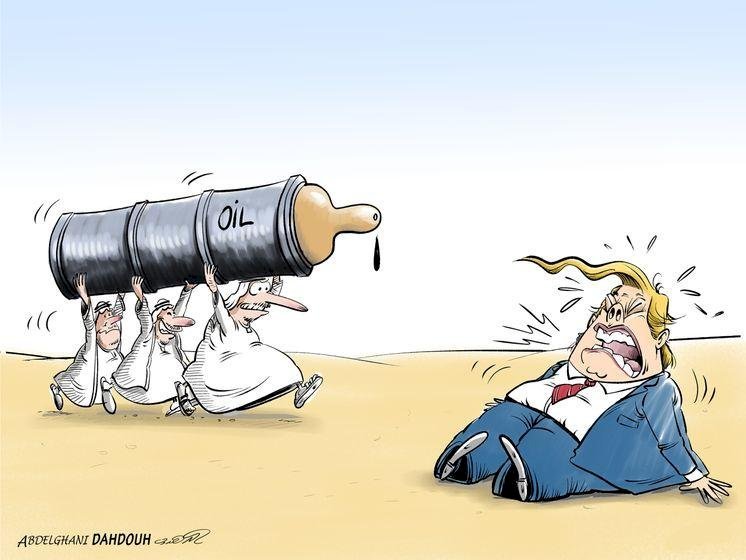
Global politics rarely announces itself with clarity. It prefers confusion—sometimes deliberate, sometimes dangerous. The Strait of Hormuz is one such place where geography turns into strategy, and strategy into a pressure point that can shake the entire world.
At first glance, Hormuz is just a narrow waterway between Iran and Oman. But in reality, it is the jugular vein of the global oil economy. Nearly a fifth of the world’s oil passes through this tight corridor every single day. A minor disruption here is enough to send shockwaves across continents—raising fuel prices in London, tightening household budgets in Dhaka, and rattling markets in New York.
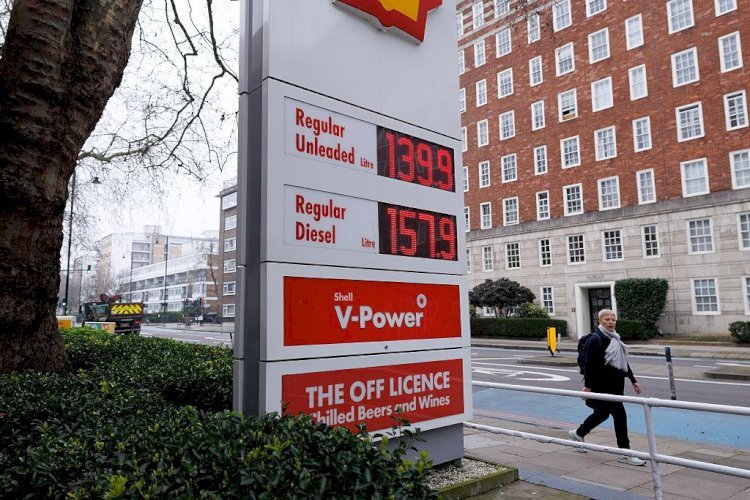
And yet, for some leaders, such a critical artery seems to be treated with alarming casualness.
Donald Trump’s approach to the Middle East often blurred the line between strategy and spectacle. His rhetoric on Iran, his withdrawal from the nuclear deal, and his repeated threats of military action turned an already volatile region into a stage for brinkmanship. The question, however, is whether this was calculated pressure or a dangerous misreading of a deeply complex reality.
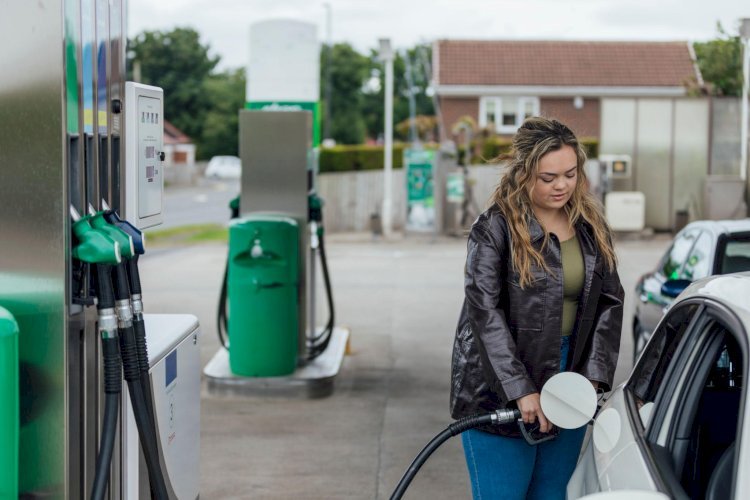
The Strait of Hormuz is not just about oil; it is about control. Whoever dominates its narrative holds leverage over global supply chains. Iran knows this. The United States knows this. Even distant powers like China and the European Union keep a vigilant eye on every movement in those waters.
In such a fragile environment, words matter. A tweet, a threat, or a miscalculated show of force can trigger consequences far beyond the region. When tensions escalate, insurance costs for tankers rise, shipping slows down, and markets react with panic. The ripple effect reaches the most ordinary people—those who have no say in geopolitical games but pay the price nonetheless.
This is where the metaphor becomes unavoidable. Treating Hormuz like a “watermelon”—something to be tapped, tested, or even cracked open for display—reveals a troubling mindset. It suggests a view of geopolitics as a performance rather than a responsibility.
But Hormuz does not forgive theatrics. It responds to missteps with real consequences: rising oil prices, destabilized regions, and heightened risks of conflict. The stakes are too high for improvisation.
There is also a deeper irony. The same powers that speak of securing global stability often contribute to its fragility. Military build-ups in the Gulf, competing alliances, and economic sanctions all add layers of tension to an already strained environment. In this context, leadership demands restraint, not provocation; clarity, not confusion.
Ultimately, the story of Hormuz is not just about leaders or nations—it is about people. The taxi driver in London paying more for fuel, the factory worker in South Asia facing rising costs, the small business owner struggling to keep prices stable. They are the silent stakeholders of every decision made in distant corridors of power.
If there is a lesson to be drawn, it is this: geopolitics is not a game of symbols; it is a matter of consequences. And places like Hormuz are not props to be handled lightly—they are fault lines where the world’s economic and political pressures converge.
The question, then, remains lingering and uncomfortable:
Was it strategy—or was it a dangerous illusion?
Author: Editor, Columnist, Analyst, and Former Professor
London, 29 March 2026