
For factual and objective news — Voice of People
Migrants Face 10-Year Wait for UK Settlement as Some Care Workers Retain Five-Year Route

Voice of People Report | 2 November :
The UK Government has confirmed a major overhaul of its immigration settlement rules, doubling the standard qualifying period for Indefinite Leave to Remain (ILR) from five to 10 years for most migrants. However, some care workers will retain the right to apply for permanent settlement after five years, provided they meet specific eligibility requirements.
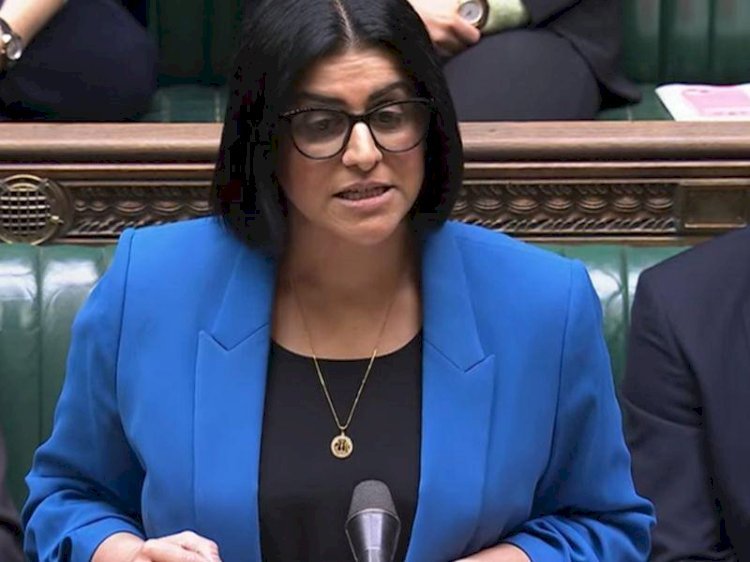
Home Secretary Shabana Mahmood announced the final details of the Government's new 'Earned Settlement' policy in the House of Commons on Monday, 2 November, following months of consultation and considerable opposition from Labour MPs, trade unions and migrant advocacy groups.
Under the new system, migrants will no longer qualify for permanent settlement simply by completing a five-year period of residence. Instead, applicants will be expected to demonstrate their economic contribution, good character, integration into British society and compliance with immigration rules.
The Government says the reforms are intended to ensure that permanent settlement is earned through contribution and responsibility.
Who will qualify for ILR after five years?
In a significant concession, the Government has decided to protect the existing five-year settlement route for certain social care workers who came to the UK before the publication of its Immigration White Paper in May 2025.
To qualify, workers must have complied with their visa conditions and earned at least £25,000 a year while working in the social care sector specified by their visa.
Those meeting these requirements will be allowed to apply for ILR after completing five years, rather than being moved to the proposed 10 or 15-year waiting periods.
However, the concession will not apply to every care worker.
Around a quarter of those who arrived or switched into the social care route between 2022 and 2025 are estimated not to meet the qualifying conditions.
These workers will be offered a second five-year care visa, allowing them to find legitimate employment with an approved care provider. Importantly, they will no longer be tied to their previous employer. Once they complete the additional five-year visa period, they will be able to apply for settlement.
Similar transitional arrangements will apply to certain public sector workers in healthcare and education, including specified auxiliary nursing roles identified by the Migration Advisory Committee.
Who will qualify after three, five or 10 years?
The new Earned Settlement framework establishes different qualifying periods according to income and professional contribution.
Under the announced policy:
- Three years: Individuals earning more than £125,000 a year, as well as those arriving through the UK's highest talent routes.
- Five years: Those earning more than £50,271 a year.
- Five years: Eligible professionals in specified public service occupations, including doctors, nurses and teachers.
- 10 years: Most other migrants under the standard settlement route.
Those who breach immigration rules could face a qualifying period of at least 20 years.
New requirements for permanent settlement
The Government has also introduced four mandatory conditions that applicants must satisfy, regardless of when they arrived in the UK.
These include:
- A clean criminal record.
- A high standard of spoken English.
- No outstanding debts owed to the British taxpayer.
- Evidence of at least three years of National Insurance contributions.
Applicants who have claimed certain benefits will also need to demonstrate five continuous years without relying on state support before applying for settlement.
The intention is to make economic contribution, personal responsibility and integration central to the settlement process.
Refugees face different settlement rules
The reforms also introduce significant changes for refugees.
Those arriving through Government-approved safe and legal routes will be able to apply for settlement after five years.
However, refugees who have not arrived through approved safe and legal routes will generally face a 20-year qualifying period. An additional 10 years will apply to those entering through illegal or clandestine routes, including small boats, potentially extending the wait to 30 years.
Those who enter employment or education may be able to reduce their qualifying period by 10 years.
When will the new rules take effect?
The Home Secretary confirmed that the changes will begin to be introduced through the December 2026 Immigration Rules and will be implemented progressively throughout 2027.
The reforms will apply to people already living in the UK who have not yet obtained settled status, as well as future applicants. The Government has made clear that settlement eligibility will generally be assessed under the rules in force when an application is decided, rather than those that existed when the migrant first arrived.
People who already hold settled status will not lose it as a result of these changes.
What does this mean for British Bangladeshis?
The changes are particularly significant for the British-Bangladeshi community, including thousands of people employed in social care and other sectors.
For many migrants, the expectation of applying for ILR after five years has been an important part of their decision to settle and build a life in Britain.
Under the revised policy, the date they entered their immigration route, their occupation, annual earnings and compliance with visa conditions will determine which settlement pathway applies to them.
Care workers who arrived before May 2025 and meet the £25,000 annual earnings requirement may retain their existing five-year route. Those who arrived after the relevant policy cut-off will generally fall under the new settlement framework.
The distinction is important for families planning their long-term future, as ILR provides greater security of residence and removes the need to continue renewing temporary immigration permission.
The Government estimates that more than 500,000 migrants will have to wait longer than five years for settlement under the reforms.
The changes represent a fundamental shift in Britain's immigration settlement policy. While the Government is placing greater emphasis on economic contribution and compliance, the transitional concessions for care workers recognise the role overseas employees played in supporting Britain's social care system during a period of considerable pressure following the Covid-19 pandemic.
For migrants already living and working in the UK, understanding the new eligibility requirements and transitional arrangements will be essential before making decisions about their future settlement applications.